Patrol & Community
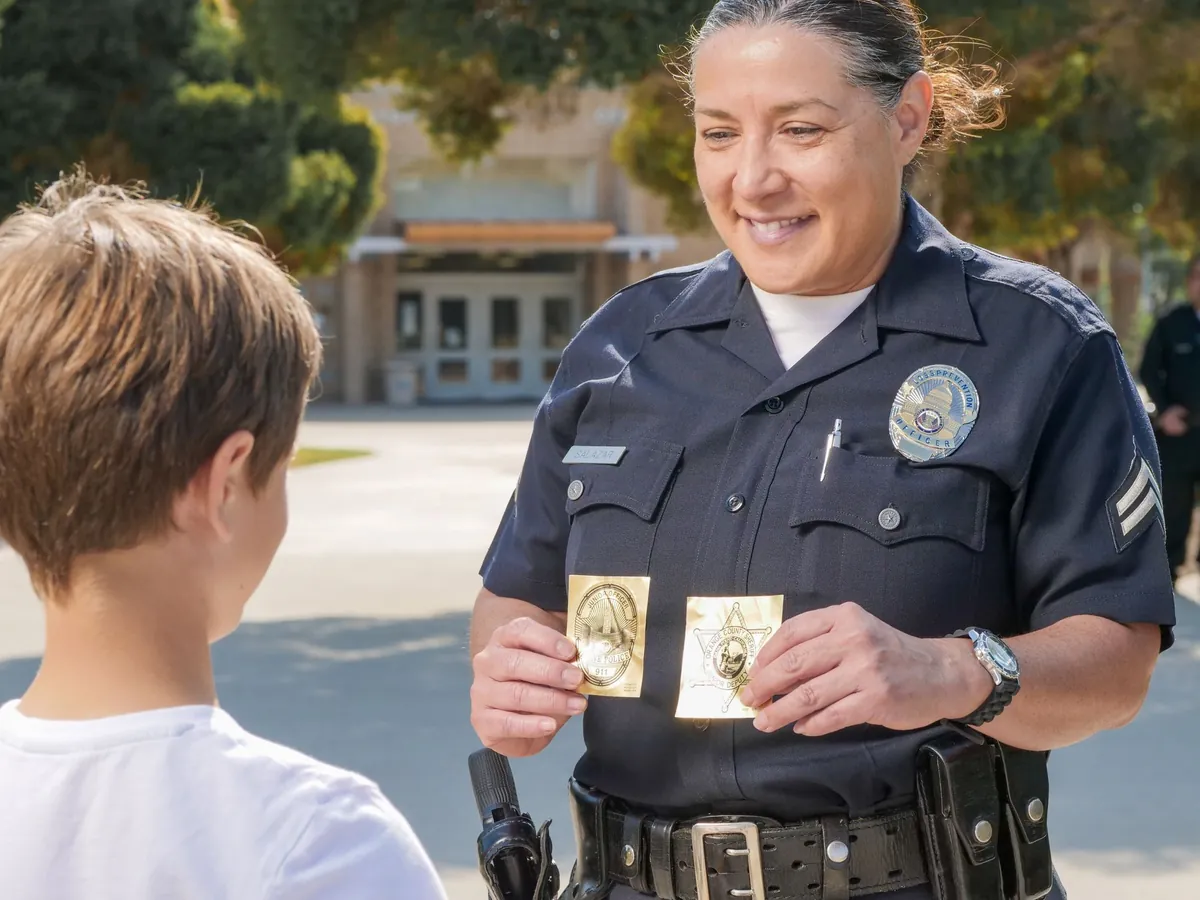
An officer who recognizes a brain injury mid-encounter slows down, changes tone, and takes the exit ramp that saves everyone in that moment.

Agency & Community Training
Mental health awareness, trauma-informed care, TBI awareness, crisis response, and de-escalation. Built for the judicial system, delivered by people who lived what your officers and officials encounter every day.
Why This Training Exists
Approximately 46 percent of adults in correctional and detention settings have a history of traumatic brain injury. Many entered the system with an injury nobody ever diagnosed, and left it with symptoms nobody ever explained.
A person with a brain injury or mental illness may struggle to follow instructions, process information slowly, react impulsively, or shut down entirely. Without training, those symptoms read as disrespect, defiance, or danger. With training, they read as what they are, and the encounter changes course.
A person in crisis may not need punishment first. They may need communication, patience, evaluation, treatment, and support. We teach professionals to tell the difference in the moments where it matters most.

Who We Train
From the traffic stop to the courtroom to the parole hearing, every professional in the chain shapes what happens to a person in crisis. We train the whole chain.
Recognizing signs of brain injury and mental illness during encounters, before force becomes the default.
Understanding behavior through a trauma-informed lens when a life is being weighed.
Building realistic supervision plans for people whose memory and processing were changed by injury.
Seeing the whole person, and the whole injury history, behind the file on the table.
Charging and advocacy decisions informed by what trauma and TBI actually do to behavior.
Reducing unnecessary disciplinary actions by recognizing symptoms instead of punishing them.
De-escalation skills for guards and private security teams who meet the public in unpredictable moments.
Crisis recognition and communication for EMS teams arriving at the hardest moments of someone's life.
We also train juvenile justice agencies, reentry providers, hospitals and behavioral health teams, schools and universities, employers, faith communities, and neighborhood organizations. If your team meets people in crisis, this training is for you.
The Programs
What schizophrenia, schizoaffective disorder, bipolar disorder, depression, and anxiety actually look like outside a textbook. Your team learns to recognize symptoms, communicate effectively, reduce stigma, and connect individuals with appropriate support instead of escalating against an illness.
The invisible injury, explained by people who live with it. Memory gaps, slow processing, impulsivity, and emotional swings are symptoms, not attitude. Teams learn what TBI does to thinking and behavior, and how to adjust their approach so an injured brain can actually comply.
Trauma from incarceration, violence, family loss, homelessness, and encounters with law enforcement changes how people respond to authority. We teach professionals to ask what happened to a person, not just what is wrong with them, and to understand behavior, history, and communication needs before responding to a crisis.
Practical, scenario-driven skills for the moments that end up on the news when they go wrong. Education, patience, effective communication, and appropriate crisis intervention protect lives, reduce injuries, and prevent avoidable harm, incarceration, and loss of life.
Our founders and co-founders share their personal experiences as survivors, directly with your team. This is the session people talk about for months. Statistics inform, but stories transform, and behavior in the field follows.
On the Ground
An officer who recognizes a brain injury mid-encounter slows down, changes tone, and takes the exit ramp that saves everyone in that moment.
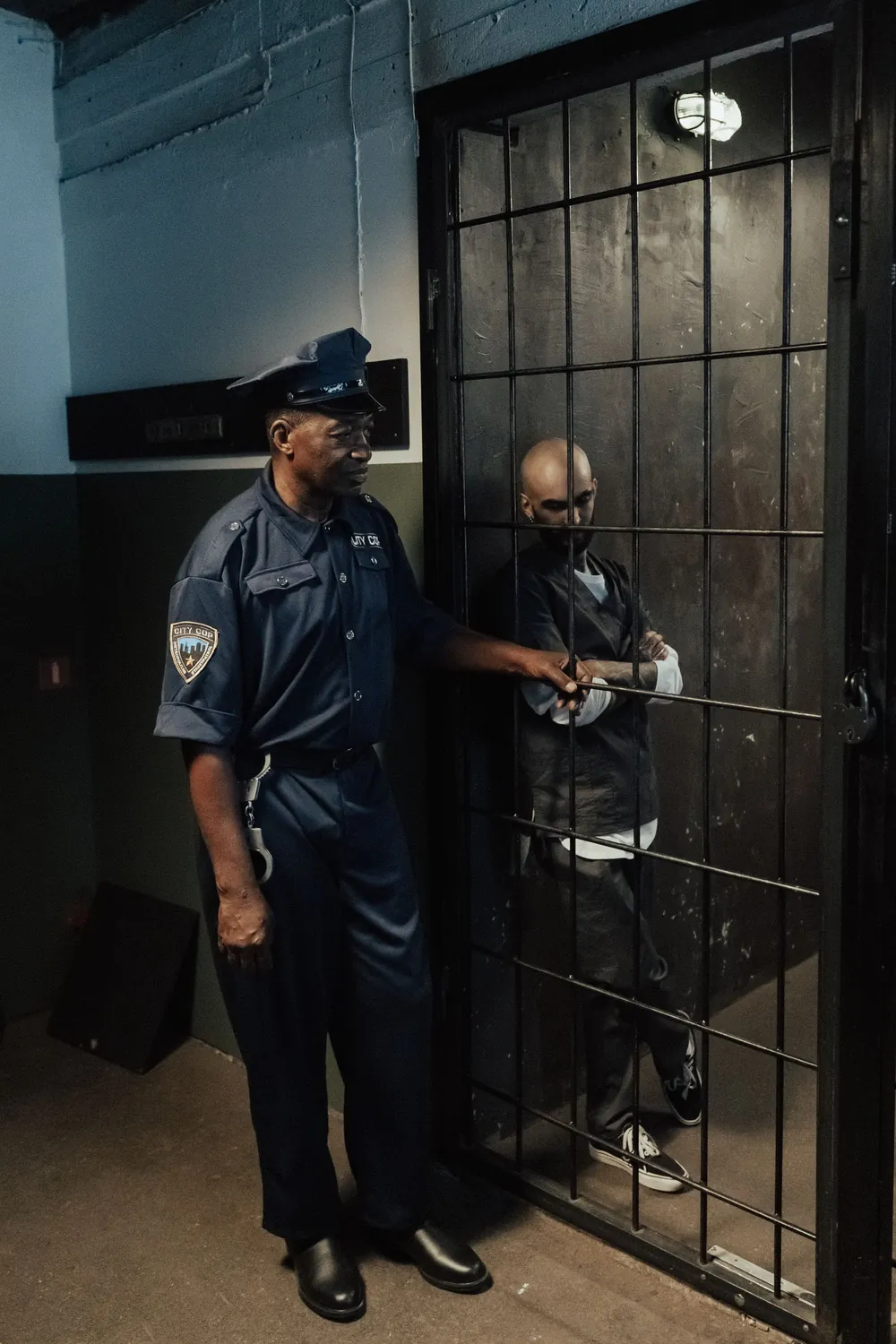
Staff who understand TBI write fewer unnecessary disciplinary reports and connect residents to services that make release stick.

Guards trained in de-escalation resolve incidents without headlines, lawsuits, or handcuffs, and the public notices the difference.

Formats
We know shift schedules, court calendars, and academy hours do not bend easily. So we bend instead.
Training Calendar
Open enrollment sessions fill quickly. Agency bookings receive private dates on request.
Half-day workshop · Virtual · Open to supervision professionals
Full day · On site · Law enforcement and security teams
Half-day workshop · Virtual · Judges, attorneys, and court staff
Dates not working for your team? Request a private session below and we will build around your calendar.
Request a Training
Tell us about your team and we will respond with a proposed program, dates, and everything you need for approval up the chain.