Peer to Peer
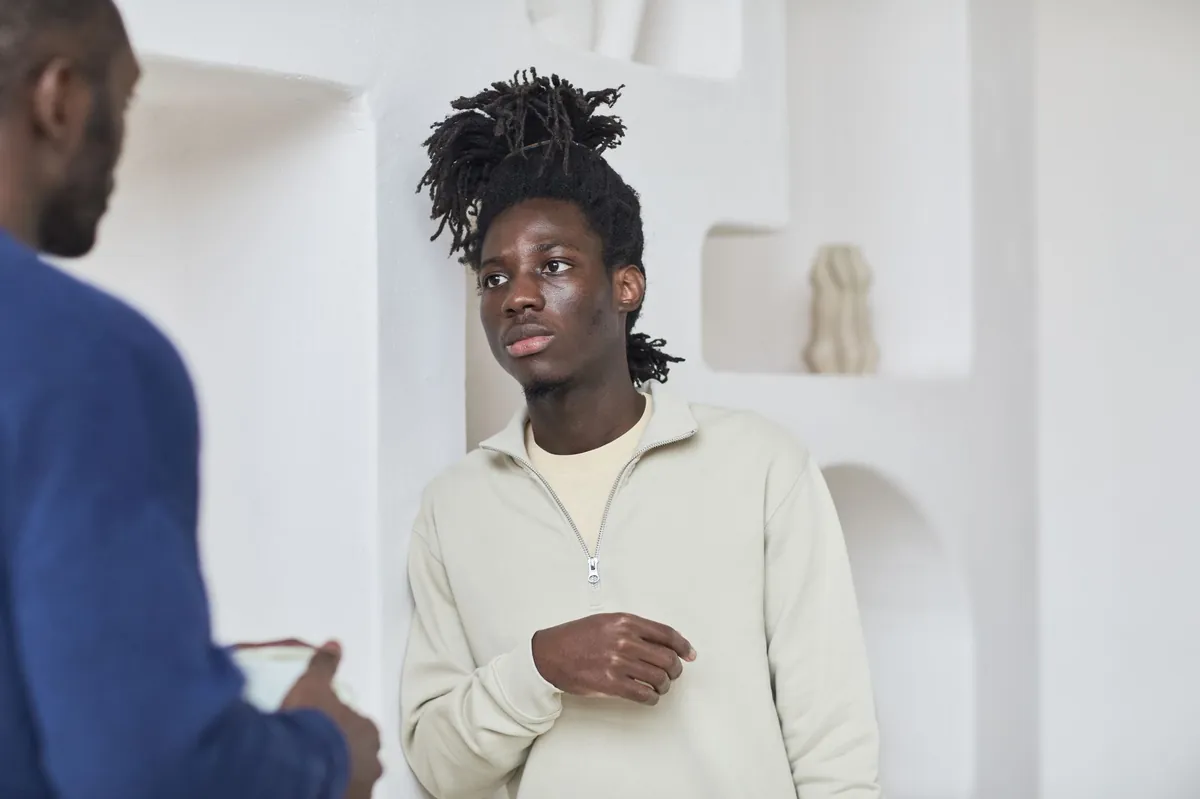
Sometimes the most healing sentence in the world is somebody saying, that happened to me too.
Support Circle Groups
A safe, judgment-free circle where survivors of brain injury and mental illness, returning citizens, families, and young people can finally say the things they have been carrying alone.
What a Circle Is
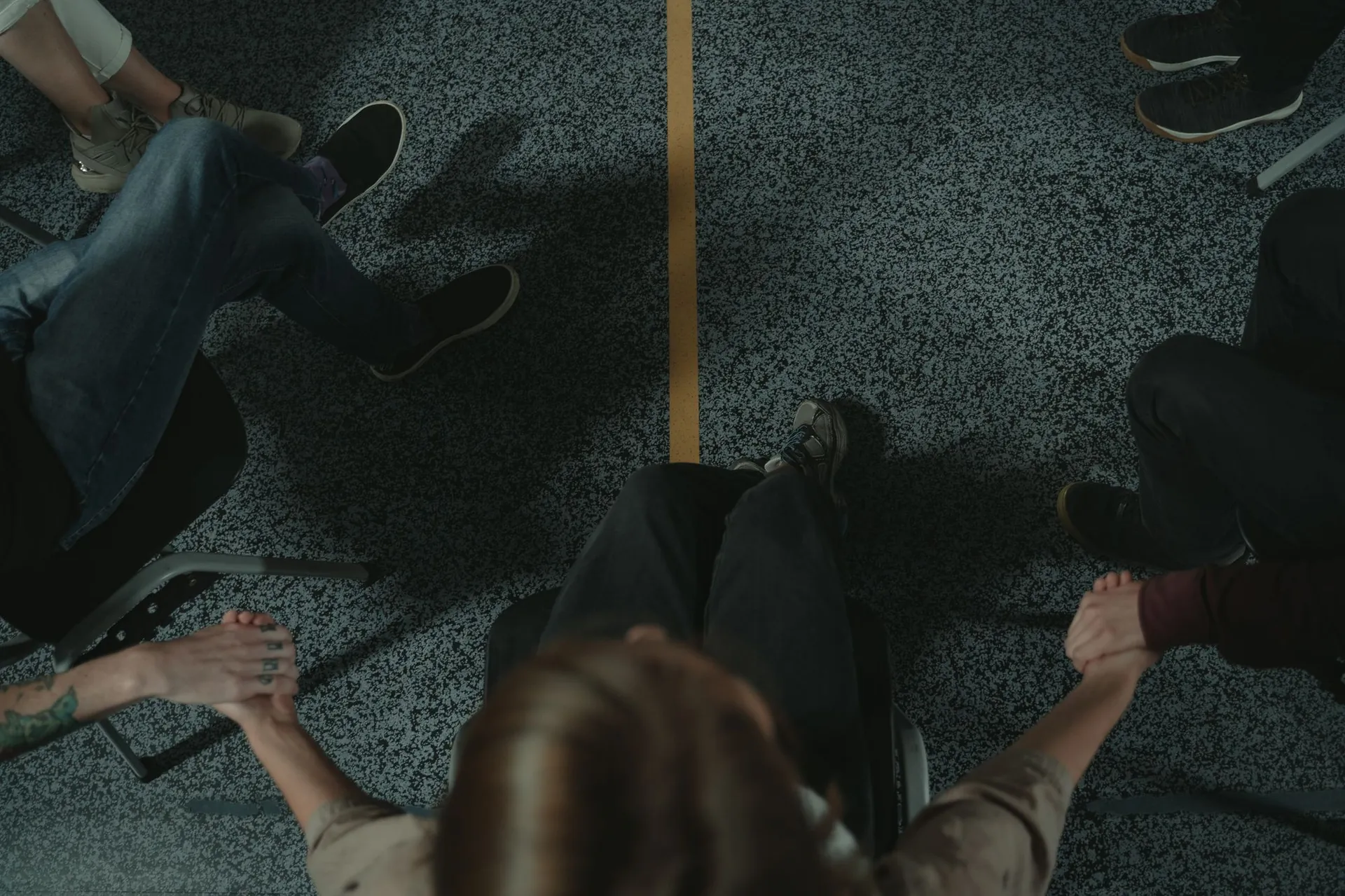
A Support Circle is a group of people who understand, sitting together on purpose. Some are survivors of traumatic brain injury. Some live with diagnoses like schizophrenia, schizoaffective disorder, or bipolar disorder. Some are coming home after incarceration or a hospital stay. Some love someone who is.
There is no stage and no audience. Everyone in the circle has equal worth, equal time, and an equal right to be exactly where they are in their healing.
You can talk. You can also just listen. Many members listen for weeks before they say a single word, and nobody rushes them. This is your circle, at your pace.
Inside the Room
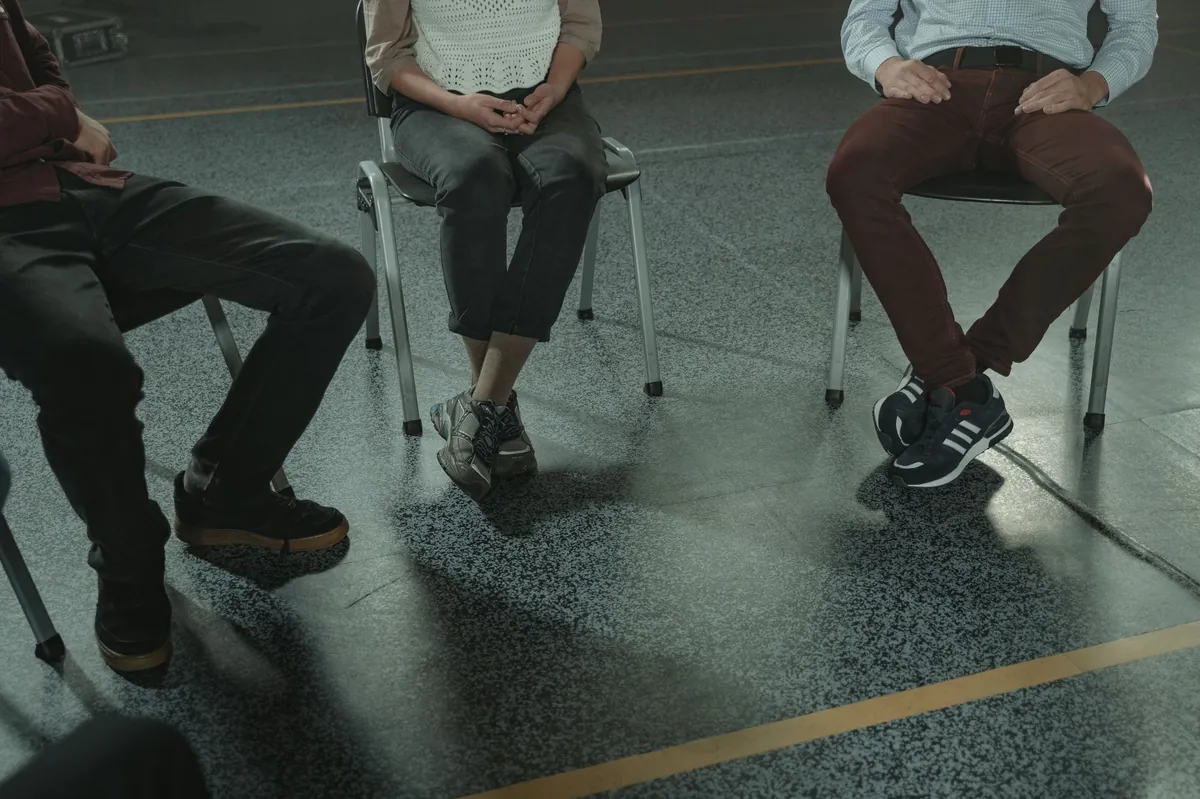
No intake interview, no paperwork wall. You walk in, someone greets you by name, and you find a seat that is already yours.
A facilitator opens the conversation and reminds everyone of the one rule that matters most. What is shared in the circle stays in the circle.
Members share what the week really looked like. The wins, the setbacks, the moments nobody else would understand. You share if you want to.
Together we work on healthy coping strategies for the hard moments, drawn from lived experience and from what actually works in real life.
The problems do not vanish in one evening. But the silence does. And that changes what the problems weigh.
Every Kind of Conversation
Sometimes the most healing sentence in the world is somebody saying, that happened to me too.

Circles feel more like a living room than a clinic, because guarded people do not heal. Comfortable people do.
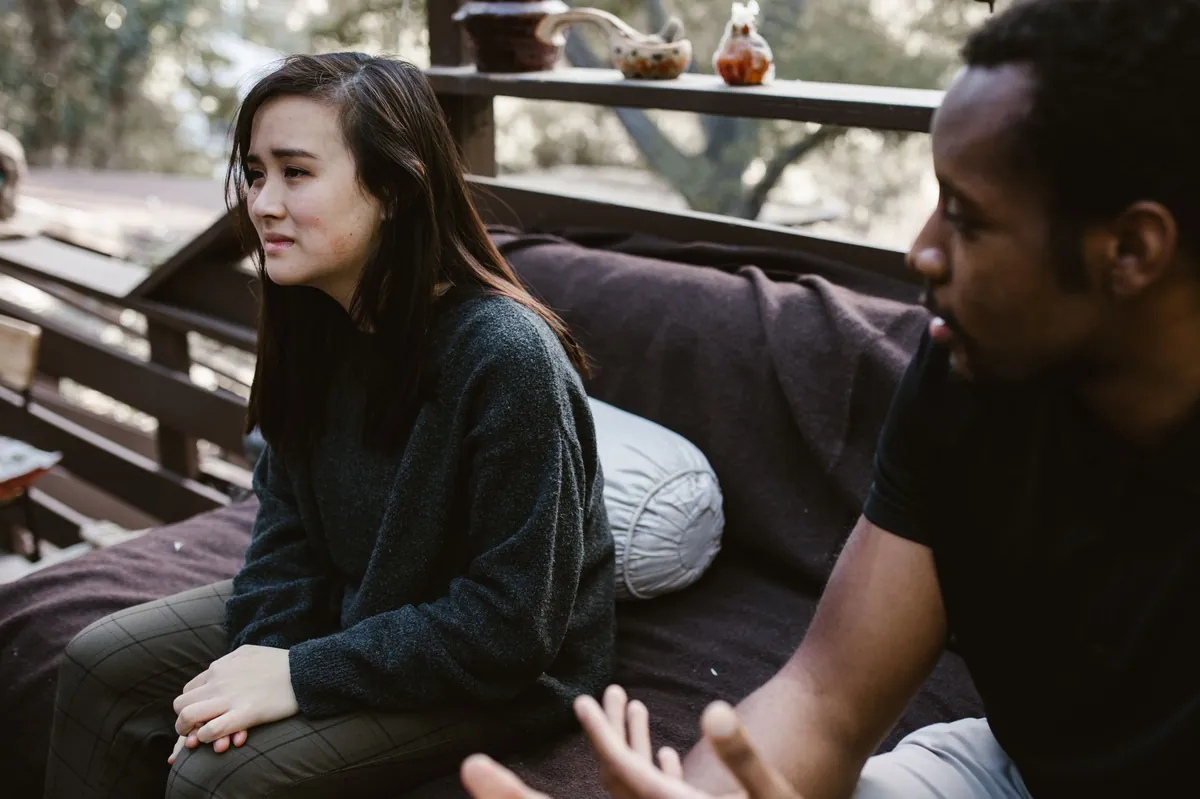
Some conversations need fresh air. Connection is the point, and connection is portable.
Common Questions
Survivors of traumatic brain injury, individuals living with mental health diagnoses, people returning to the community after incarceration, families affected by mental illness and trauma, and youth and young adults seeking support. If you are unsure whether you fit, come anyway. Belonging is the point.
No. You can sit and listen for as long as you need. Many members listen for weeks before they say a word, and that is completely okay.
Circles are free to attend. Cost should never stand between a person and belonging.
What is shared in the circle stays in the circle. Every member agrees to respect the privacy and dignity of everyone in the room.
Yes. Families affected by mental illness and trauma carry their own weight, and they deserve their own support. Let us know on the signup form and we will point you to the right circle.

Because healing begins when people are finally heard.
Join a Circle
Fill this out and a real person from our team will reach out with circle times and locations. No pressure, no obligation, no judgment.